
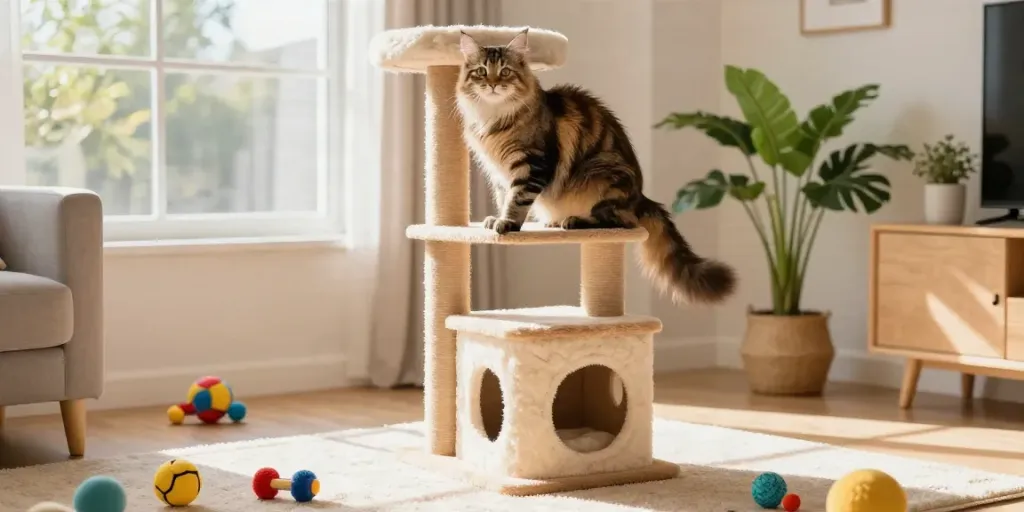
Understanding the Importance of a Cat Tower
Cats are natural climbers and explorers, and providing them with the right environment to express these instincts is crucial for their well-being. A cat tower serves as an essential piece of furniture that not only entertains but also supports the overall health of your feline friend. When exploring options, cat tower solutions come in various designs, ensuring that there’s a perfect fit for every home and cat personality.
Why Every Cat Needs a Cat Tower
A cat tower acts as a multi-functional playground for your pet. It provides a high vantage point, which cats instinctively seek, allowing them to observe their surroundings safely. This elevation is important for their psychological security; it mimics what they would experience in the wild, where being up high can help them spot potential dangers.
Moreover, a cat tower can serve as a safe retreat. Cats often need their own space to relax and rejuvenate, and designated spots on a tower can fulfill this need.
Health Benefits of Cat Towers for Your Feline
Providing a cat tower can significantly impact your cat's physical health. Regular climbing and jumping promote exercise, which helps prevent obesity—a growing concern in domestic cats. Engaging with a cat tower also aids in strengthening their muscles and improving flexibility as they navigate various levels and structures.
How Cat Towers Foster Play and Exercise
Playtime is essential for mental stimulation and physical activity in cats. Cat towers often come equipped with features like dangling toys, scratching posts, and bridges that encourage cats to jump, climb, and play. This active engagement combats boredom, which can lead to behavioral issues if not addressed appropriately.
Choosing the Right Cat Tower for Your Home
Selecting the ideal cat tower involves considering a few key factors that can influence your cat's happiness and comfort. Different styles cater to various needs and preferences, allowing you to create a tailored environment for your feline.
Considerations for Cat Tower Size and Design
The size of the cat tower should correlate with the size and age of your cat. For example, larger breeds require sturdier towers with broader bases to support their weight and activity. Additionally, the design should accommodate your cat's play style—some may prefer vertical structures to climb, while others might enjoy multi-level platforms with cozy hideaways.
Materials and Durability: What to Look For
When choosing a cat tower, the materials used in its construction are vital for durability and safety. Look for towers made from solid wood or engineered wood with thick, scratch-resistant upholstery. Towers that incorporate metal components can provide additional stability, especially for larger cats.
Choosing a Cat Tower Based on Your Cat's Preferences
Every cat is unique in its play style and comfort preferences. Observe your cat's habits—does it prefer to scratch, hide, or perch high above everything else? This can guide your decision in selecting a tower that aligns with their inclinations, ensuring that it will see regular use.
Features to Look for in a Quality Cat Tower
Not all cat towers are created equal; understanding the features that contribute to a quality structure is essential for making an informed purchase.
Investigating Cat Towers with Multifunctional Spaces
A good cat tower should have multiple levels and various spaces for your cat to explore. Look for designs that include platforms, condos, and ramps to cater to different activity levels. This variation keeps your cat engaged and provides alternatives for play and rest.
The Role of Scratching Posts in Cat Towers
Scratching is a natural behavior for cats, essential for maintaining their claws and marking territory. A quality cat tower should incorporate multiple scratching posts made from durable materials, such as sisal or natural wood, to satisfy this instinct and protect your furniture.
Interactive and Engaging Elements for Active Cats
Interactive features such as hanging toys, tunnels, and balls can significantly enhance a cat's play experience. These elements stimulate mental activity, making the cat tower a central part of their daily routine.
Setting Up Your Cat Tower for Optimal Use
To maximize your cat tower's potential, the setup and surrounding environment play crucial roles. Finding the right location can make the difference between a frequently used tower and one that gathers dust.
Best Locations for Cat Towers in Your Home
Consider placing the tower in an area with plenty of natural light and visibility, allowing your cat to watch outdoor activities. A corner of the living room or near a window can be ideal, especially if equipped with a view of birds or squirrels. Additionally, ensure it’s away from any disturbances, allowing your cat to feel secure.
Creating a Cat-Friendly Environment Around the Tower
Enhancing your cat's environment can be as simple as adding other cat-friendly features around the tower. Incorporating toys, cozy bedding, and even a scratching pad nearby can draw your cat to the area, promoting exploration and play.
How to Encourage Your Cat to Use the Tower
Introducing your cat to a new tower may require some encouragement. Consider placing treats or favorite toys on different levels to entice them to explore. You can also spend time interacting with your cat around the tower, helping them associate it with fun and play.
Maintaining and Caring for Your Cat Tower
To ensure longevity and safety, regular maintenance of your cat tower is key. This involves both cleaning and repairs to keep it in top condition.
Cleaning Tips for Cat Towers to Ensure Longevity
Routine cleaning helps maintain hygiene, which is crucial for your cat's health. Use a vacuum to remove hair and debris regularly. Wash removable covers in warm, soapy water, and spot clean surfaces with pet-safe disinfectants as needed.
Repairing and Upgrading Your Cat Tower
Over time, wear and tear are inevitable. Be prepared to replace worn-out scratching posts and add new elements to keep your cat engaged. Upgrades can even include attaching new toys or changing the layout of the space around the tower.
Understanding When to Replace Your Cat Tower
Knowing when to replace a cat tower can prevent accidents and ensure your pet's safety. If the structure becomes unstable, has significant stains or odors that can't be removed, or shows signs of breakage, it may be time to invest in a new one.
How Can a Cat Tower Enhance Their Wellbeing?
By providing a space for climbing, scratching, and resting, a cat tower can significantly enhance your cat's quality of life. These towers help promote physical activity, reduce anxiety, and provide mental stimulation, which is essential for overall health.
What Size Cat Tower Is Best for My Cat?
The best size cat tower will depend on factors such as your cat's breed, size, and activity level. Generally, for larger breeds, opt for a sturdier, taller tower with more room for play and rest, while smaller cats can thrive in more compact structures.
Are There Eco-Friendly Cat Tower Options?
As sustainability becomes more important, many brands are offering eco-friendly cat towers made from reclaimed wood or recycled materials. These options not only benefit the environment but also provide safe and durable play spaces for your cats.
How to Encourage Multiple Cats to Use One Tower?
When you have several cats, it’s essential to choose a tower with ample space and multiple platforms to prevent territorial disputes. Introducing the tower gradually, using treats and toys, can help all your cats feel comfortable and engaged with the structure.
What Features Make a Cat Tower Stand Out?
When evaluating cat towers, look for unique features like removable cushions, adjustable heights, or towers that can be expanded. These attributes not only enhance usability but can also cater to your evolving needs as a pet owner.
Can Cat Towers Help with Behavioral Issues?
Indeed, providing a designated space for climbing and scratching can greatly reduce behavioral problems associated with boredom or frustration. These structures give your cat acceptable outlets for their instincts, minimizing destructive behaviors around the house.